Table of Contents
- Why Metairie Homeowners Should Remove Old Siding
- Hidden Damage Behind Old Siding in Louisiana Homes
- Moisture and Mold Risks Unique to Metairie
- When Installing Over Existing Siding Might Work
- What Happens During Siding Removal
- Cost Considerations for Siding Removal in Metairie
- Choosing Your Replacement Siding
- Next Steps for Metairie Homeowners
- Frequently Asked Questions
Why Metairie Homeowners Should Remove Old Siding Before Replacing
If you own a home in Metairie, LA, and you are planning a siding replacement, one of the first decisions you will face is whether to tear off the old siding or install new material right on top of it. For homeowners across Jefferson Parish, the answer almost always leans toward full removal, and the reason comes down to what Louisiana’s subtropical climate does to homes over time. Big Easy Siding has worked on homes throughout the Metairie area and consistently finds that what lies beneath old siding tells a story that no visual inspection from the outside can reveal. Trapped moisture, deteriorating sheathing, and mold growth hidden behind siding panels are far more common in this part of Louisiana than in drier regions of the country.
Metairie’s housing stock includes a large number of homes built during the 1950s, 1960s, and 1970s, when Jefferson Parish experienced a surge in residential development driven by returning veterans and the baby boom. Many of these homes were clad in wood siding, cedar shakes, asbestos shingles, or early aluminum panels. After decades of exposure to Louisiana’s heat, rain, and humidity, those original materials may be hiding serious structural concerns.
Hidden Damage Behind Old Siding in Louisiana Homes
The biggest risk of installing new siding over old material is leaving existing problems in place. When siding is removed, the underlying wall sheathing, house wrap, insulation, and framing are fully exposed, giving you a clear picture of the home’s condition before committing to a new exterior.
Wood Rot and Structural Decay
Wood rot is one of the most common issues found behind old siding in the Metairie area. Moisture that has worked its way past aging siding panels, degraded caulk, or failed flashing can soften wall sheathing and even compromise framing members. If new siding is installed over rotted sheathing, the new material will not be properly anchored and the rot will continue to spread.
Insulation Breakdown
Insulation that has been exposed to moisture over years may lose its thermal resistance, which affects your home’s energy efficiency and your monthly utility bills. Removing old siding allows for a full inspection of the insulation and replacement where needed. This is especially important in a climate where air conditioning accounts for a significant portion of household energy costs.
Pest Damage
Termites, carpenter ants, and other wood-destroying insects thrive in Louisiana’s warm, moist conditions. Old siding can conceal active infestations or damage from past infestations that weakened the wall structure. Identifying these issues before new siding goes up is the only way to address them properly. If you are weighing whether to repair or fully replace your siding, an inspection during removal will make the decision clear.
Moisture and Mold Risks Unique to Metairie
Metairie sits in one of the most humid regions in the United States. Average relative humidity regularly exceeds 75%, and the area receives over 60 inches of rainfall per year. That combination creates persistent conditions for moisture-related damage behind exterior cladding.
Why Humidity Makes Siding Removal Essential
When old siding is left in place and new siding is layered over it, the space between the two layers can trap moisture. In a dry climate, some of that moisture might evaporate before causing harm. In Metairie, where humidity stays elevated for most of the year, that moisture has nowhere to go. Over time, it promotes mold growth, wood decay, and deterioration of the weather-resistant barrier.
Installing a modern house wrap and moisture barrier system is a standard part of any quality siding replacement. However, that barrier can only be installed correctly when the old siding has been completely removed and the wall surface has been cleaned, repaired, and prepared.
Mold Behind Siding in Older Homes
Mold growth behind siding is not unusual in the Metairie area. Homes that have had siding for 30, 40, or 50 years without removal are especially at risk. Mold can spread across large sections of wall sheathing without any visible signs on the exterior. If your home has older siding and you are considering an overlay, the risk of sealing in mold is significant.
When Installing Over Existing Siding Might Work
While removal is the preferred approach, there are limited situations where installing new siding over old material may be acceptable:
- The existing siding is flat, smooth, and structurally sound with no warping or buckling.
- A thorough inspection shows no signs of moisture damage, mold, or pest activity.
- The home has a properly functioning moisture barrier already in place.
- Local building codes allow for the overlay and the added weight is within structural limits.
Even in these cases, overlaying adds thickness to the wall assembly, which can create issues around window and door trim, affect how water drains away from openings, and may void the warranty on your new siding material. Many manufacturers will not honor a warranty if their product is installed over an existing layer of siding. For a deeper look at whether an overlay could work for your situation, read about installing vinyl siding over wood siding.
What Happens During Siding Removal
Understanding the removal process can help homeowners know what to expect and why this step adds value to a siding replacement project.
Step 1: Removing the Old Panels
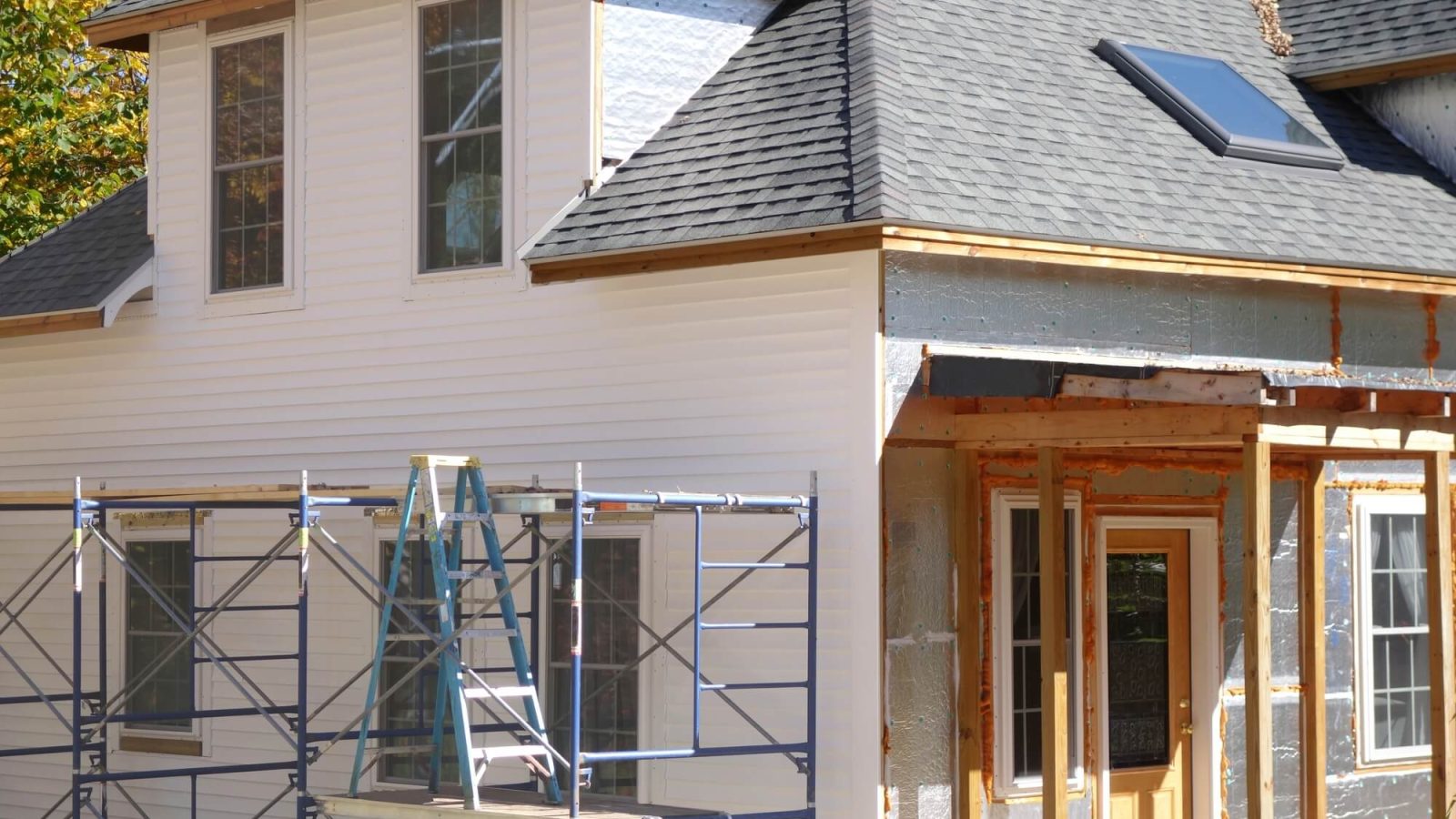
All existing siding material is carefully taken off, starting from the top of each wall and working down. Nails, fasteners, and adhesive residue are removed to leave a clean surface. If the home has multiple layers of siding (which is not uncommon on Metairie homes that have been re-sided in the past), all layers are removed.
Step 2: Inspecting the Wall Sheathing
With the siding off, the wall sheathing and any existing house wrap are inspected for rot, mold, moisture staining, and pest damage. Problem areas are marked for repair.
Step 3: Repairs and Preparation
Damaged sheathing is cut out and replaced. Rotted framing members are repaired or sistered with new wood. If mold is present, it is treated and the affected material is removed. The wall surface is then prepared for installation of a new weather-resistant barrier.
Step 4: Installing the Moisture Barrier
A new house wrap is installed over the repaired sheathing. This barrier allows moisture vapor to escape from inside the wall while preventing liquid water and wind-driven rain from getting in. In a climate like Metairie’s, this barrier is one of the most important components of the entire wall system.
Step 5: New Siding Installation
With a clean, dry, and properly prepared surface, the new siding is installed according to manufacturer specifications. This ensures proper performance, full warranty coverage, and a finished appearance that sits flat and even. Avoiding common siding installation mistakes is much easier when the old material has been fully removed.
Cost Considerations for Siding Removal in Metairie
Removing old siding does add to the overall cost of a replacement project. The additional expense comes from labor for tear-off, disposal fees, and any repairs to the wall structure that are discovered during removal.
What Affects the Cost
- Home size and number of stories: Larger homes and multi-story buildings require more labor and time.
- Type of existing siding: Some materials, like wood or asbestos-containing siding, require more care during removal.
- Extent of hidden damage: Sheathing repairs, mold remediation, and pest treatment add to the project cost but prevent much larger expenses down the road.
- Disposal requirements: Older siding materials may have specific disposal regulations in Jefferson Parish.
The Cost of Skipping Removal
While the upfront savings of an overlay might look appealing, the long-term costs can be much higher. Trapped moisture leading to structural rot, mold problems that require professional remediation, and warranty claims denied because the siding was not installed according to manufacturer guidelines are all potential consequences.
For homeowners in Metairie, the investment in proper removal and inspection pays for itself in avoided future repairs and a longer-lasting siding installation.
Choosing Your Replacement Siding
Once old siding has been removed and the wall structure has been inspected and repaired, you have the opportunity to choose a replacement material that suits both your aesthetic preferences and the demands of the Louisiana climate.
Vinyl siding is one of the most popular options for Metairie homeowners because of its resistance to moisture, low maintenance requirements, and affordability. Fiber cement siding is another strong choice that holds up well against humidity and offers a natural wood-like appearance. James Hardie fiber cement, for example, is engineered for high-humidity climates and resists swelling, cracking, and rot.
Whatever material you choose, starting with a clean, inspected, and properly prepared wall gives that new siding the best chance of performing well for decades. If your siding shows signs of damage but you are unsure about a full replacement, siding repair services can address localized issues before they spread.
Next Steps for Metairie Homeowners
If your Metairie home has aging siding, especially original wood siding or early vinyl from the mid-20th century, scheduling an inspection is the best first step. A thorough exterior evaluation will help determine the condition of your current siding and whether removal is necessary before replacement.
Big Easy Siding provides detailed assessments for homeowners in Metairie and throughout Jefferson Parish. We will evaluate the condition of your existing siding, look for warning signs of hidden damage, and walk you through your options for materials and installation approach.
Ready to find out what is behind your old siding? Request a free estimate or call (504) 766-3494 to schedule a consultation.
We serve New Orleans, Baton Rouge, Covington, Gretna, Hammond, Kenner, Metairie, Slidell, and throughout Louisiana.
Frequently Asked Questions
Is it OK to put new siding over old siding in Metairie?
It is technically possible, but it is not recommended for most homes in the Metairie area. Louisiana’s humidity creates conditions where moisture can become trapped between siding layers, leading to mold growth and wood rot that remain hidden until they cause significant structural damage.
Should I remove wood siding before installing vinyl siding?
Yes. Wood siding absorbs and holds moisture, and layering vinyl over it can seal that moisture against the wall sheathing. Removing the wood siding first allows for a full inspection, proper installation of a house wrap, and a clean surface for the new vinyl to sit on.
How do I know if there is mold behind my siding?
Common warning signs include a musty odor near exterior walls, visible staining or discoloration on interior walls, paint that bubbles or peels on the exterior, and siding that feels soft or spongy when pressed. The only definitive way to confirm mold behind siding is to remove the siding and inspect the wall surface.
What does siding removal cost in Metairie, LA?
The cost varies depending on the size of your home, the type of siding being removed, and whether repairs are needed once the walls are exposed. While it adds to the project total, removal typically prevents much more expensive repairs from hidden damage later on. Contact Big Easy Siding for a detailed estimate based on your specific home.
How long does a siding replacement project take when old siding is removed first?
For an average-sized home in Metairie, a full siding replacement with removal typically takes between five and ten working days, depending on the extent of repairs needed behind the old siding. Weather delays can also add time during Louisiana’s rainy season.
Will removing old siding increase the value of my home?
New siding is one of the highest-return exterior improvements a homeowner can make. By removing the old siding first, you also address any hidden issues that could come up during a home inspection and potentially delay or reduce a sale price.
{ "@context": "https://schema.org", "@type": "FAQPage", "mainEntity": [ { "@type": "Question", "name": "Is it OK to put new siding over old siding in Metairie?", "acceptedAnswer": { "@type": "Answer", "text": "It is technically possible, but it is not recommended for most homes in the Metairie area. Louisiana's humidity creates conditions where moisture can become trapped between siding layers, leading to mold growth and wood rot that remain hidden until they cause significant structural damage." } }, { "@type": "Question", "name": "Should I remove wood siding before installing vinyl siding?", "acceptedAnswer": { "@type": "Answer", "text": "Yes. Wood siding absorbs and holds moisture, and layering vinyl over it can seal that moisture against the wall sheathing. Removing the wood siding first allows for a full inspection, proper installation of a house wrap, and a clean surface for the new vinyl to sit on." } }, { "@type": "Question", "name": "How do I know if there is mold behind my siding?", "acceptedAnswer": { "@type": "Answer", "text": "Common warning signs include a musty odor near exterior walls, visible staining or discoloration on interior walls, paint that bubbles or peels on the exterior, and siding that feels soft or spongy when pressed. The only definitive way to confirm mold behind siding is to remove the siding and inspect the wall surface." } }, { "@type": "Question", "name": "What does siding removal cost in Metairie, LA?", "acceptedAnswer": { "@type": "Answer", "text": "The cost varies depending on the size of your home, the type of siding being removed, and whether repairs are needed once the walls are exposed. While it adds to the project total, removal typically prevents much more expensive repairs from hidden damage later on. Contact Big Easy Siding for a detailed estimate based on your specific home." } }, { "@type": "Question", "name": "How long does a siding replacement project take when old siding is removed first?", "acceptedAnswer": { "@type": "Answer", "text": "For an average-sized home in Metairie, a full siding replacement with removal typically takes between five and ten working days, depending on the extent of repairs needed behind the old siding. Weather delays can also add time during Louisiana's rainy season." } }, { "@type": "Question", "name": "Will removing old siding increase the value of my home?", "acceptedAnswer": { "@type": "Answer", "text": "New siding is one of the highest-return exterior improvements a homeowner can make. By removing the old siding first, you also address any hidden issues that could come up during a home inspection and potentially delay or reduce a sale price." } } ] }
{ "@context": "https://schema.org", "@type": "DefinedTermSet", "name": "Siding Replacement Terminology", "description": "Key terms related to siding removal and replacement for homes in Metairie, Louisiana", "definedTerm": [ { "@type": "DefinedTerm", "name": "Wall Sheathing", "description": "The structural panels (typically plywood or OSB) attached to the exterior framing of a home, sitting between the studs and the siding. Sheathing provides structural rigidity and a surface for attaching weather barriers and siding." }, { "@type": "DefinedTerm", "name": "House Wrap", "description": "A weather-resistant barrier material installed over wall sheathing before siding. House wrap allows moisture vapor to escape from inside the wall cavity while preventing liquid water and wind-driven rain from entering." }, { "@type": "DefinedTerm", "name": "Siding Overlay", "description": "The practice of installing new siding directly over existing old siding without removing the original material. While faster and less expensive initially, overlays can trap moisture and hide structural damage." }, { "@type": "DefinedTerm", "name": "Moisture Barrier", "description": "A protective layer in a wall assembly designed to prevent water infiltration while allowing water vapor to pass through. Proper moisture barriers are essential in high-humidity climates like Southeast Louisiana." }, { "@type": "DefinedTerm", "name": "Wood Rot", "description": "The decay of wood caused by fungal growth in the presence of moisture. Wood rot compromises the structural integrity of wall framing and sheathing and is commonly found behind aging siding in humid climates." }, { "@type": "DefinedTerm", "name": "Fiber Cement Siding", "description": "A composite siding material made from cement, sand, and cellulose fibers. It resists moisture, insects, and fire, making it a durable option for homes in humid climates like Metairie, Louisiana." } ] }
Filed under: Siding Replacement