Summary
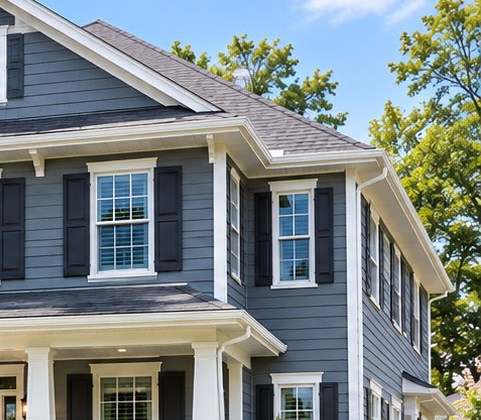
Insulated vinyl siding delivers measurable energy savings and long-lasting weather protection for homes in LaPlace, LA and across St. John the Baptist Parish. With average residential electricity rates around 11 cents per kWh and summer bills peaking in July, upgrading to insulated siding is one of the most practical ways to reduce cooling costs in the Gulf South. Big Easy Siding installs insulated vinyl siding throughout LaPlace and the greater New Orleans metro area.
Why Insulated Vinyl Siding Makes Sense in LaPlace
LaPlace sits along the shores of Lake Pontchartrain in St. John the Baptist Parish, just west of New Orleans on the I-10 corridor. The community includes a mix of ranch-style brick homes, raised Acadian-style houses, and newer subdivisions built over the past two decades. Many of these homes still rely on original siding and minimal wall insulation that was never designed to handle the demands of Louisiana summers.
St. John Parish residents deal with intense heat from May through October, with temperatures regularly climbing above 95 degrees and humidity levels that make it feel even hotter. That combination forces air conditioning systems to run nearly nonstop, pushing monthly electricity bills well above the state average during peak months. Insulated vinyl siding adds a continuous layer of foam insulation behind the panels, reducing heat transfer through exterior walls and giving your HVAC system a break.
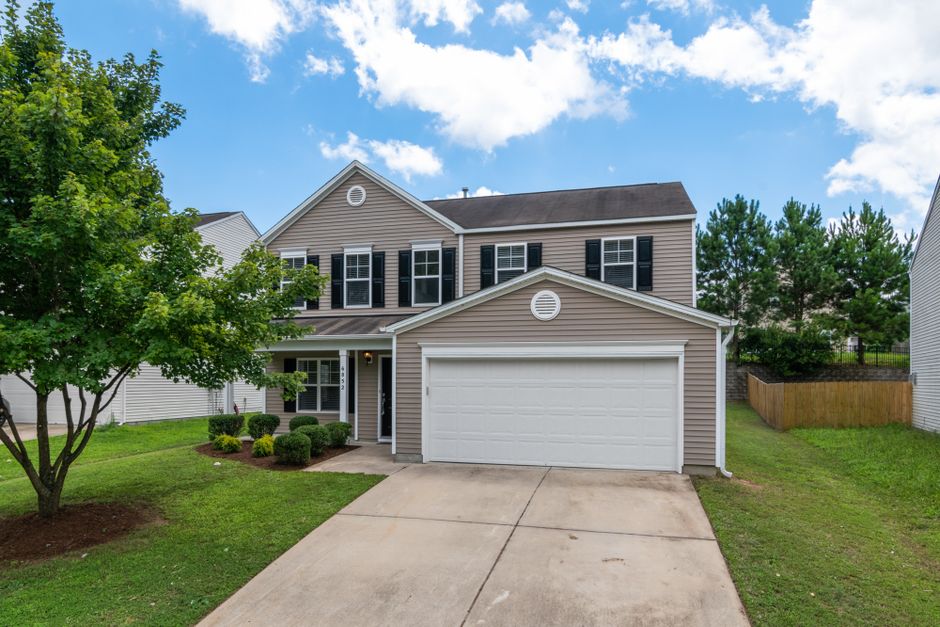
For homeowners in LaPlace who experienced the devastation of Hurricane Ida in 2021, exterior durability is not optional. Insulated vinyl siding provides both thermal performance and impact resistance that standard vinyl cannot match, making it a smart upgrade for a parish that knows firsthand what severe weather can do.
7 Reasons to Choose Insulated Vinyl Siding
How Much Can Insulated Vinyl Siding Reduce Energy Bills?
Third-party studies show that insulated vinyl siding can reduce heating and cooling costs by an average of 14.2 percent on a two-story home without existing cavity insulation. For LaPlace homeowners paying peak summer electric bills that often exceed $200, that reduction translates to real monthly savings.
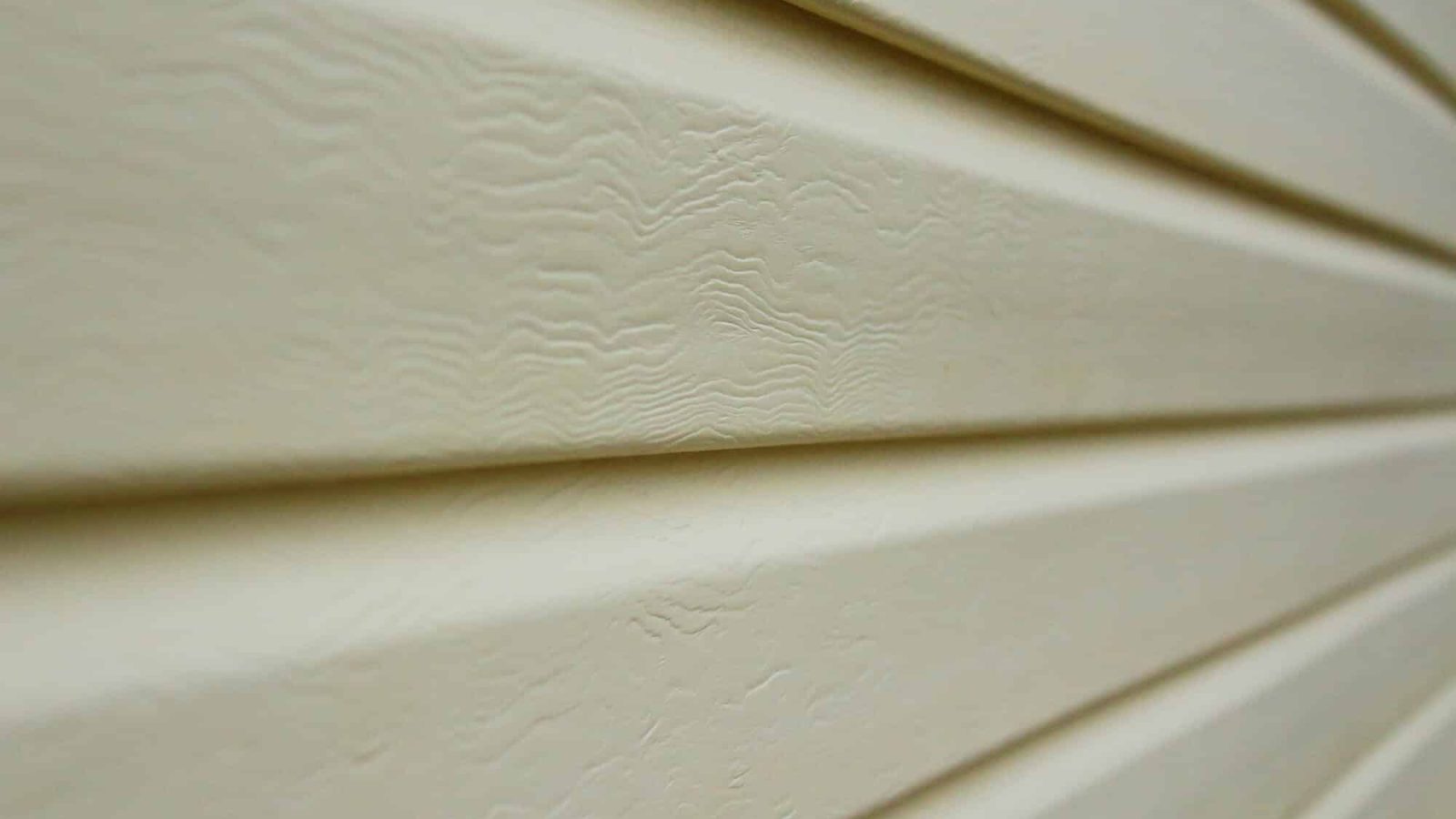
Standard vinyl siding has an R-value of roughly 0.6, which provides almost no insulating benefit. Insulated vinyl siding adds a contoured foam backing that brings the combined R-value up to R-2 through R-4, depending on the product. That additional insulation creates a continuous thermal barrier across the entire wall surface, eliminating the gaps that occur with batt insulation alone at stud locations.
In St. John Parish, where Entergy Louisiana serves most residential customers and electricity rates sit around 11 cents per kWh, even a modest percentage reduction in cooling demand adds up over a full summer. Multiply that across 20 or more years of siding life, and the energy savings alone can offset a significant portion of the installation cost. For a deeper look at the numbers, maximizing energy efficiency with insulated siding breaks down the performance factors.
Does Insulated Siding Hold Up in Hurricane Country?
Insulated vinyl siding panels are structurally stronger than standard vinyl because the foam backing bonds directly to the panel, eliminating the hollow cavity that can flex and buckle during high winds. Premium insulated products carry wind-resistance ratings of 110 mph and above, meeting FEMA storm-readiness standards.
LaPlace took a direct hit from Hurricane Ida, which brought sustained winds of 150 mph and catastrophic flooding to St. John Parish. Homes with older or poorly fastened siding lost panels, exposing sheathing and allowing water intrusion that caused tens of thousands of dollars in structural damage. Insulated siding resists racking and impact better than hollow-back vinyl because the foam core supports the panel from behind, distributing wind loads more evenly across the fastening points.
After a storm, individual insulated panels can be replaced without removing entire wall sections, keeping repair costs manageable. For a community that has rebuilt after both Katrina and Ida, choosing siding that can take a hit and protect the wall assembly underneath is a practical decision, not a luxury.
What Makes Insulated Vinyl Siding Low-Maintenance in Louisiana Humidity?
Insulated vinyl siding requires no painting, staining, or sealing. A rinse with a garden hose once or twice a year removes the pollen, dust, and mildew film that accumulates on exterior surfaces in south Louisiana. The foam backing also discourages moisture buildup behind the panels, reducing the risk of mold growth on the wall sheathing.
Wood siding in St. John Parish typically needs repainting every three to five years and often develops rot in areas where moisture collects, especially along the bottom courses near landscaping and around window trim. Fiber cement requires repainting every 10 to 15 years. Insulated vinyl eliminates both of those recurring expenses because the color is integrated into the material during manufacturing.
For LaPlace homeowners who would rather spend weekends on the lake or at Ruddock than scraping and priming their siding, that low-maintenance quality is a significant advantage.
How Does Insulated Siding Improve Indoor Comfort?
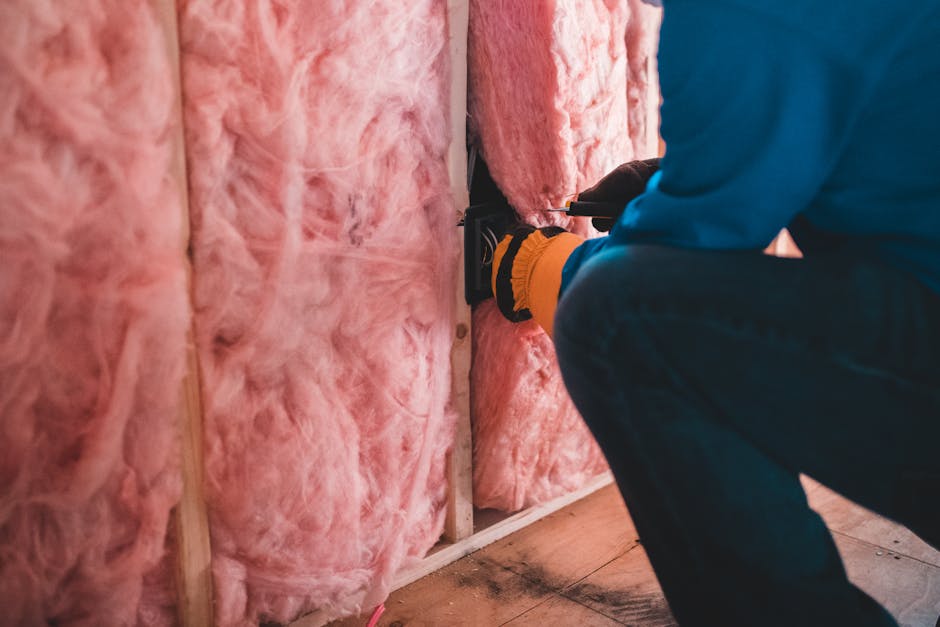
The continuous foam layer behind insulated vinyl panels reduces thermal bridging at wall studs, where heat transfers most easily through a standard wall assembly. This creates a more even temperature across interior walls and eliminates the hot spots that are common in poorly insulated homes during Louisiana summers.
In many LaPlace homes, especially those built before updated energy codes, wall insulation consists of fiberglass batts that have settled, compressed, or developed gaps over the years. Even where the cavity insulation is intact, wood studs conduct heat at a much higher rate than the insulation between them. Insulated siding covers the entire exterior surface, including stud locations, creating a thermal break that standard siding cannot provide.
The result is a home that feels more comfortable room to room, with fewer drafts and less temperature variation between the interior and exterior walls. That consistency also means your air conditioning system cycles less frequently, which extends equipment life and reduces wear on the compressor. If you are weighing different approaches, evaluating whether insulated siding is worth it covers the comfort and cost factors side by side.
Is Insulated Vinyl Siding an Eco-Friendly Choice?
Insulated vinyl siding reduces the total energy a home consumes for heating and cooling, which directly lowers carbon emissions from power generation. For homeowners in LaPlace who want to shrink their environmental footprint without a full-scale renovation, upgrading the siding is one of the most impactful single changes available.
The foam insulation used in most insulated vinyl products is expanded polystyrene (EPS), which is recyclable and does not contain ozone-depleting blowing agents. Vinyl siding itself is one of the most recycled building products in the construction industry, and many manufacturers accept old panels for reprocessing into new products.
St. John Parish has invested in renewable energy resilience, including Louisiana’s largest solar microgrid resilience hub. Pairing that community-level commitment with individual home improvements like insulated siding creates a layered approach to reducing energy consumption across the parish. For more on sustainable exterior options, eco-friendly siding options outlines the choices available to Louisiana homeowners.
Does Insulated Vinyl Siding Reduce Outside Noise?
The foam core in insulated vinyl siding dampens sound transmission through exterior walls, noticeably reducing road noise, equipment noise, and storm sounds inside the home. For LaPlace homes along Airline Highway, near the rail corridor, or close to the industrial facilities in the parish, that sound reduction makes a real difference in daily comfort.
Standard hollow-back vinyl siding does very little to block sound because air is an efficient sound conductor. The contoured foam in insulated panels fills the space behind the siding, absorbing sound waves before they reach the wall sheathing. While insulated siding is not a substitute for dedicated soundproofing, homeowners who upgrade from standard vinyl or aging wood siding consistently report a quieter interior environment.
Does Insulated Vinyl Siding Increase Home Value in St. John Parish?
New siding is consistently ranked among the top home improvement projects for return on investment. Insulated vinyl siding adds the energy-efficiency angle that today’s buyers actively look for, especially in a market where utility costs are a known concern.
For LaPlace homeowners considering a sale in the next five to ten years, upgraded siding eliminates the visual red flags that turn buyers away: peeling paint, warped panels, mildew stains, and patchy repairs. Insulated vinyl delivers clean curb appeal that holds up without maintenance between listing and closing.
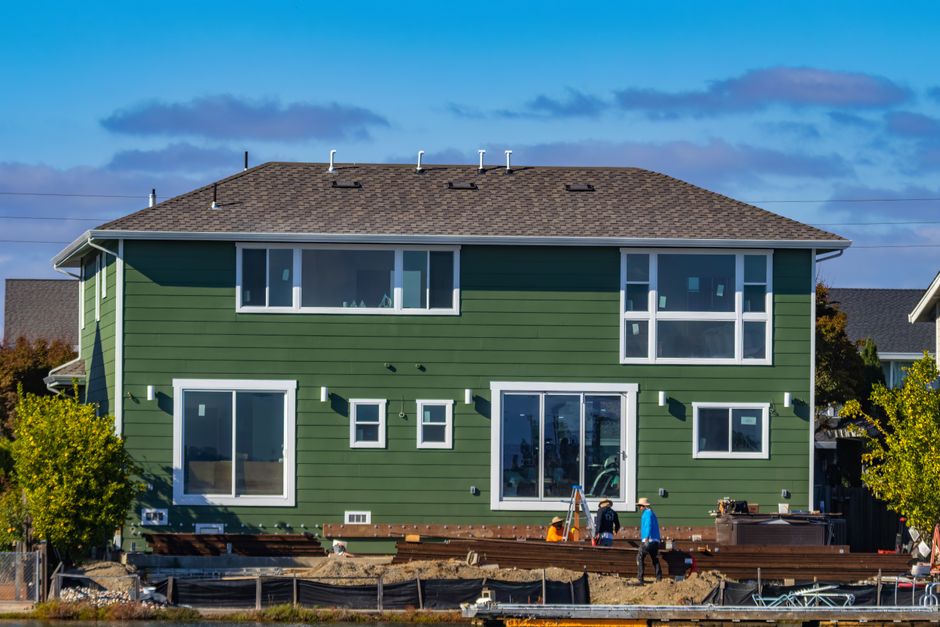
In the St. John Parish real estate market, where buyers are especially aware of storm resilience and energy performance after recent hurricane seasons, a home with insulated siding signals that the property has been updated with Louisiana conditions in mind. That perception translates to stronger offers and shorter time on market. For a broader view of how siding affects property value, energy-efficient siding options compares the leading materials.
Is Insulated Vinyl Siding Right for Your Home?
Insulated vinyl siding is worth considering if any of the following apply to your LaPlace home:
- Your current siding is more than 15 years old and showing signs of wear
- You have noticed rising energy bills despite maintaining your HVAC system
- Rooms along exterior walls feel noticeably warmer than interior rooms during summer
- Your home sustained siding damage during Hurricane Ida or other recent storms
- You want to eliminate the recurring cost of repainting wood or fiber cement siding
- You are planning to sell and want to maximize curb appeal and perceived value
Not every home requires insulated siding. If your walls already have adequate cavity insulation and your current siding is in good condition, a standard vinyl replacement may be sufficient. But for the majority of older homes in St. John Parish, the added thermal performance and structural strength of insulated panels deliver measurable benefits that justify the modest cost difference. Insulated siding services from Big Easy Siding include a full assessment to determine which approach fits your home and budget.
Get a Free Insulated Siding Estimate in LaPlace
Big Easy Siding works with homeowners across LaPlace, St. John the Baptist Parish, and the entire New Orleans metro to install insulated vinyl siding that handles Louisiana heat, humidity, and hurricanes. Whether you are upgrading from aging wood siding or replacing storm-damaged panels, we provide a clear estimate with no pressure and no hidden fees.
Call (504) 766-3494 or request your free estimate online to get started.
We serve New Orleans, Baton Rouge, Covington, Gretna, Hammond, Kenner, Metairie, Slidell, and throughout Louisiana.
Frequently Asked Questions
How much does insulated vinyl siding cost for a LaPlace home?
Insulated vinyl siding typically costs between $5 and $10 per square foot installed, depending on the product grade, home size, and wall complexity. The premium over standard vinyl is usually $1 to $3 per square foot, which is often recovered through energy savings within a few years.
Is insulated siding worth the extra cost in Louisiana's climate?
Yes. The Gulf South climate puts extreme cooling demands on homes for six or more months each year. The continuous foam backing in insulated siding reduces heat transfer through walls by filling gaps that batt insulation alone cannot cover, leading to measurable reductions in monthly electricity costs.
Can insulated vinyl siding be installed over existing siding?
In some cases, insulated vinyl can be installed over existing siding if the underlying surface is flat, sound, and free of moisture damage. However, a thorough inspection of the wall sheathing is recommended first. Removing old siding allows for a full assessment and ensures the best long-term performance.
How long does insulated vinyl siding last in St. John Parish?
Quality insulated vinyl siding can last 25 to 40 years or more when installed correctly. The foam backing does not degrade over time, and the vinyl panels are resistant to moisture, insects, and UV fading. Most manufacturers offer warranties of 25 years or longer.
Does insulated siding help during hurricane season?
Insulated siding panels are structurally stronger than hollow-back vinyl because the foam core supports the panel and distributes wind loads more evenly. Premium products are rated for winds of 110 mph and above, meeting FEMA storm-readiness guidelines for coastal and near-coastal areas like St. John Parish.
{ "@context": "https://schema.org", "@type": "FAQPage", "mainEntity": [ { "@type": "Question", "name": "How much does insulated vinyl siding cost for a LaPlace home?", "acceptedAnswer": { "@type": "Answer", "text": "Insulated vinyl siding typically costs between $5 and $10 per square foot installed, depending on the product grade, home size, and wall complexity. The premium over standard vinyl is usually $1 to $3 per square foot, which is often recovered through energy savings within a few years." } }, { "@type": "Question", "name": "Is insulated siding worth the extra cost in Louisiana's climate?", "acceptedAnswer": { "@type": "Answer", "text": "Yes. The Gulf South climate puts extreme cooling demands on homes for six or more months each year. The continuous foam backing in insulated siding reduces heat transfer through walls by filling gaps that batt insulation alone cannot cover, leading to measurable reductions in monthly electricity costs." } }, { "@type": "Question", "name": "Can insulated vinyl siding be installed over existing siding?", "acceptedAnswer": { "@type": "Answer", "text": "In some cases, insulated vinyl can be installed over existing siding if the underlying surface is flat, sound, and free of moisture damage. However, a thorough inspection of the wall sheathing is recommended first. Removing old siding allows for a full assessment and ensures the best long-term performance." } }, { "@type": "Question", "name": "How long does insulated vinyl siding last in St. John Parish?", "acceptedAnswer": { "@type": "Answer", "text": "Quality insulated vinyl siding can last 25 to 40 years or more when installed correctly. The foam backing does not degrade over time, and the vinyl panels are resistant to moisture, insects, and UV fading. Most manufacturers offer warranties of 25 years or longer." } }, { "@type": "Question", "name": "Does insulated siding help during hurricane season?", "acceptedAnswer": { "@type": "Answer", "text": "Insulated siding panels are structurally stronger than hollow-back vinyl because the foam core supports the panel and distributes wind loads more evenly. Premium products are rated for winds of 110 mph and above, meeting FEMA storm-readiness guidelines for coastal and near-coastal areas like St. John Parish." } } ] }
{ "@context": "https://schema.org", "@type": "Service", "serviceType": "Insulated Vinyl Siding Installation", "provider": { "@type": "LocalBusiness", "name": "Big Easy Siding", "telephone": "(504) 766-3494", "url": "https://www.bigeasysiding.com/", "address": { "@type": "PostalAddress", "addressLocality": "New Orleans", "addressRegion": "LA", "addressCountry": "US" }, "areaServed": [ { "@type": "City", "name": "LaPlace", "containedInPlace": { "@type": "AdministrativeArea", "name": "St. John the Baptist Parish, Louisiana" } }, { "@type": "City", "name": "New Orleans" } ] }, "areaServed": { "@type": "City", "name": "LaPlace", "containedInPlace": { "@type": "AdministrativeArea", "name": "St. John the Baptist Parish, Louisiana" } }, "description": "Professional insulated vinyl siding installation for homes in LaPlace, LA and St. John the Baptist Parish. Energy-efficient siding that reduces cooling costs and withstands Louisiana hurricanes." }
{ "@context": "https://schema.org", "@type": "DefinedTermSet", "name": "Insulated Vinyl Siding for LaPlace, LA Homes - Key Concepts", "url": "https://www.bigeasysiding.com/7-reasons-why-you-should-choose-insulated-vinyl-siding-for-your-home/", "hasDefinedTerm": [ { "@type": "DefinedTerm", "name": "How Much Can Insulated Vinyl Siding Reduce Energy Bills", "description": "Third-party studies show that insulated vinyl siding can reduce heating and cooling costs by an average of 14.2 percent on a two-story home without existing cavity insulation. For LaPlace homeowners paying peak summer electric bills that often exceed $200, that reduction translates to real monthly savings.", "inDefinedTermSet": "https://www.bigeasysiding.com/7-reasons-why-you-should-choose-insulated-vinyl-siding-for-your-home/" }, { "@type": "DefinedTerm", "name": "Does Insulated Siding Hold Up in Hurricane Country", "description": "Insulated vinyl siding panels are structurally stronger than standard vinyl because the foam backing bonds directly to the panel, eliminating the hollow cavity that can flex and buckle during high winds. Premium insulated products carry wind-resistance ratings of 110 mph and above, meeting FEMA storm-readiness standards.", "inDefinedTermSet": "https://www.bigeasysiding.com/7-reasons-why-you-should-choose-insulated-vinyl-siding-for-your-home/" }, { "@type": "DefinedTerm", "name": "What Makes Insulated Vinyl Siding Low-Maintenance in Louisiana Humidity", "description": "Insulated vinyl siding requires no painting, staining, or sealing. A rinse with a garden hose once or twice a year removes the pollen, dust, and mildew film that accumulates on exterior surfaces in south Louisiana. The foam backing also discourages moisture buildup behind the panels.", "inDefinedTermSet": "https://www.bigeasysiding.com/7-reasons-why-you-should-choose-insulated-vinyl-siding-for-your-home/" }, { "@type": "DefinedTerm", "name": "How Does Insulated Siding Improve Indoor Comfort", "description": "The continuous foam layer behind insulated vinyl panels reduces thermal bridging at wall studs, where heat transfers most easily through a standard wall assembly. This creates a more even temperature across interior walls and eliminates the hot spots that are common in poorly insulated homes during Louisiana summers.", "inDefinedTermSet": "https://www.bigeasysiding.com/7-reasons-why-you-should-choose-insulated-vinyl-siding-for-your-home/" }, { "@type": "DefinedTerm", "name": "Is Insulated Vinyl Siding an Eco-Friendly Choice", "description": "Insulated vinyl siding reduces the total energy a home consumes for heating and cooling, which directly lowers carbon emissions from power generation. For homeowners in LaPlace who want to shrink their environmental footprint without a full-scale renovation, upgrading the siding is one of the most impactful single changes available.", "inDefinedTermSet": "https://www.bigeasysiding.com/7-reasons-why-you-should-choose-insulated-vinyl-siding-for-your-home/" }, { "@type": "DefinedTerm", "name": "Does Insulated Vinyl Siding Reduce Outside Noise", "description": "The foam core in insulated vinyl siding dampens sound transmission through exterior walls, noticeably reducing road noise, equipment noise, and storm sounds inside the home. For LaPlace homes along Airline Highway, near the rail corridor, or close to the industrial facilities in the parish, that sound reduction makes a real difference.", "inDefinedTermSet": "https://www.bigeasysiding.com/7-reasons-why-you-should-choose-insulated-vinyl-siding-for-your-home/" }, { "@type": "DefinedTerm", "name": "Does Insulated Vinyl Siding Increase Home Value in St. John Parish", "description": "New siding is consistently ranked among the top home improvement projects for return on investment. Insulated vinyl siding adds the energy-efficiency angle that today's buyers actively look for, especially in a market where utility costs are a known concern.", "inDefinedTermSet": "https://www.bigeasysiding.com/7-reasons-why-you-should-choose-insulated-vinyl-siding-for-your-home/" } ] }
Filed under: Siding