
Summary
Proper siding maintenance in Mandeville, LA requires a year-round approach that accounts for high humidity, heavy rain, and dense tree coverage on the Northshore. Big Easy Siding helps Mandeville homeowners protect their exterior with seasonal cleaning, inspections, and timely repairs that prevent costly damage.
Why Mandeville Homes Need a Siding Maintenance Plan
Living on the Northshore means your home faces a unique set of challenges. Mandeville sits under heavy tree canopy, which keeps neighborhoods shaded but also traps moisture against exterior walls. Unlike lakefront properties closer to New Orleans, Mandeville homes deal with less salt air but more organic debris, pollen, and mildew growth. At Big Easy Siding, we work with homeowners across Southeast Louisiana who want to keep their siding looking great and performing well through every season.
Louisiana’s subtropical climate brings average humidity above 75% for most of the year. That moisture sits on your siding and feeds algae, mold, and mildew. Without a regular maintenance routine, small problems become expensive repairs. A consistent schedule protects your investment and extends the life of your siding by years.
Seasonal Siding Maintenance Questions for Louisiana Homeowners
How Often Should You Clean Your Siding in a Humid Climate?
In Mandeville and across Southeast Louisiana, you should clean your siding at least twice per year, with light rinses every two to three months during the warmer months when humidity peaks. This prevents buildup of mold, mildew, and algae that thrive in the region’s damp conditions.
Start from the top and work down using a garden hose with moderate pressure. A soft-bristle brush paired with a mild detergent or a vinyl-safe cleaner handles most surface grime. Avoid using a pressure washer at close range, especially on vinyl siding. High pressure can force water behind panels where it sits and promotes rot in the sheathing underneath.
For wood siding cleaning, use an even gentler approach. Wood absorbs water more readily than vinyl or fiber cement, so rinse quickly and let the surface dry in direct sunlight when possible. Pay extra attention to north-facing walls, which get the least sun and stay damp the longest.
What Should You Look for During a Siding Inspection?
During each inspection, check for cracks, warping, loose panels, peeling paint, bubbling, discoloration, and any gaps around windows or trim. These warning signs indicate moisture intrusion, pest activity, or material failure that needs attention before it spreads.
Walk around your home at least twice a year. Spring and fall are the best times. In spring, you are checking for damage from winter storms and looking for any areas where moisture settled over the cooler months. In fall, you are preparing your exterior for hurricane season and the heavy rains that come with it.
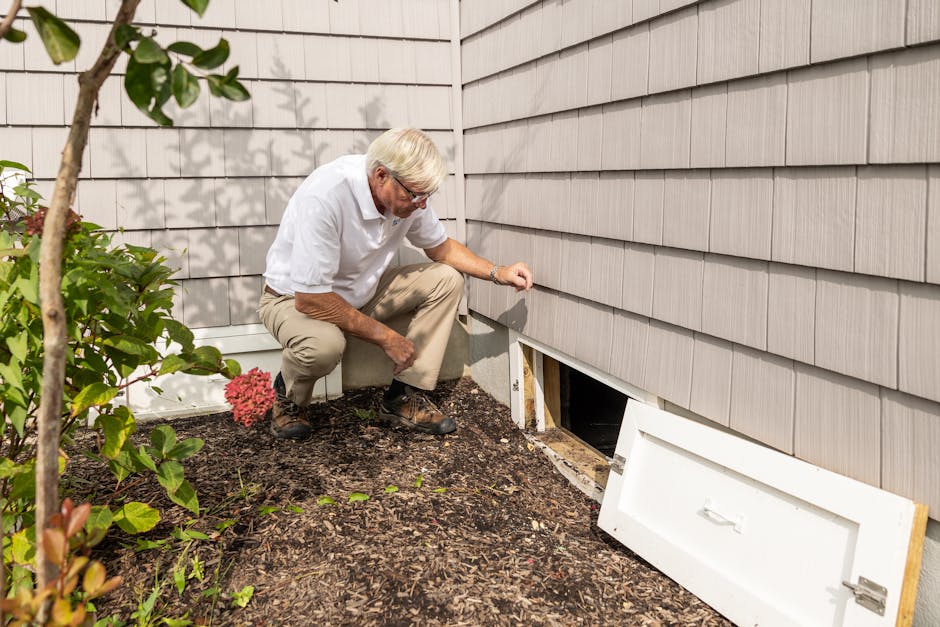
In Mandeville, tree debris is a constant factor. Branches rubbing against siding scratch the surface and strip away protective coatings. Leaves and pine needles pile up along the foundation and in J-channels, creating pockets where water collects. Clearing this debris is one of the simplest and most effective maintenance steps you can take.
How Do You Prevent Mold and Mildew on Siding in Louisiana?
Preventing mold and mildew requires controlling moisture exposure through proper ventilation, trimming vegetation away from walls, cleaning regularly, and addressing drainage issues around the foundation. In Louisiana’s humidity, prevention is always cheaper than remediation.
Keep bushes, shrubs, and tree limbs at least 12 inches from your siding. This allows air to circulate and sunlight to reach the surface, both of which discourage mold growth. If you notice green or black streaks forming, a solution of one part white vinegar to three parts water works well for light buildup. For more stubborn mildew on wood siding, oxygen bleach cleaners are effective without damaging the material.
Proper attic ventilation also plays a role. When hot, humid air gets trapped in your attic, it can condense on the underside of the roof deck and migrate into wall cavities. Balanced soffit and ridge ventilation keeps air moving and reduces moisture buildup behind your siding.
What Maintenance Does Each Siding Material Need?
Each siding material has specific maintenance requirements. Vinyl needs regular cleaning and occasional panel re-securing. Fiber cement needs paint touch-ups and caulk inspections. Wood needs staining or sealing every three to five years along with regular checks for rot and insect damage.
For detailed guidance on keeping vinyl panels in top shape, visit our vinyl siding maintenance page. Vinyl is popular in Mandeville because it handles humidity well and does not need painting. However, it can warp if exposed to reflected heat from windows or grills placed too close to the wall.
Fiber cement siding is built to resist moisture, rot, and insects. It performs exceptionally well in Louisiana’s climate. The main maintenance task is keeping the paint or factory finish in good condition. Touch up chips and scratches promptly, because exposed fiber cement can absorb water over time. Our fiber cement maintenance tips cover this process in detail.
Wood siding adds natural beauty to Northshore homes but demands the most upkeep. Stain or seal every three to five years to maintain the moisture barrier. Inspect annually for soft spots, which indicate rot, and look for small holes that suggest insect activity.

How Does Storm Season Affect Siding Maintenance in Mandeville?
Hurricane season runs from June through November, and Mandeville homeowners should inspect their siding before and after every major storm. High winds can loosen panels, drive rain behind siding, and send debris into exterior walls, creating damage that worsens quickly if ignored.
Before storm season, walk your property and secure any loose panels or trim pieces. Check that caulk around windows, doors, and utility penetrations is intact. After a storm passes, inspect the same areas again. Look for dents, cracks, missing pieces, and water stains inside the home near exterior walls.
If you find storm damage, act quickly. Water