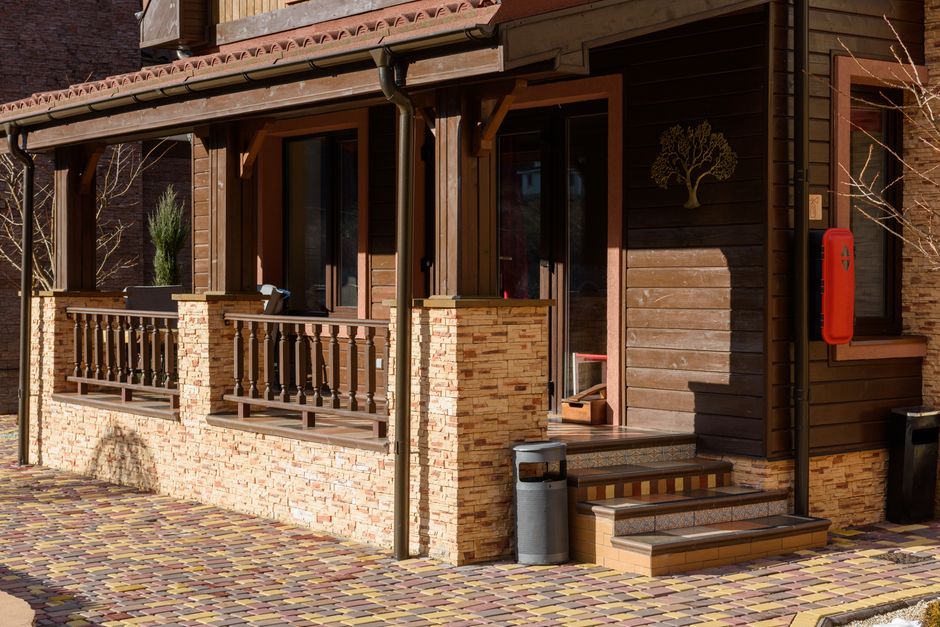
Big Easy Siding explains how to clean wood siding in Madisonville, LA, where lakefront humidity, dense tree canopy along the Tchefuncte River, and Louisiana’s subtropical climate create persistent moss, algae, and mildew growth that demands a targeted cleaning approach.
Why Madisonville Homes Need Frequent Siding Cleaning
Madisonville sits along the Tchefuncte River where it meets Lake Pontchartrain, and that waterfront location creates conditions that are especially tough on wood siding. At Big Easy Siding, we see firsthand how the combination of high humidity, standing moisture from the river basin, and Madisonville’s thick live oak canopy accelerates biological growth on exterior surfaces. Homes in neighborhoods along Water Street, the Tchefuncte River banks, and throughout St. Tammany Parish face cleaning demands that most general siding guides simply do not address.
Louisiana’s subtropical climate keeps relative humidity above 70 percent for much of the year, and Madisonville’s proximity to both a river and a lake amplifies that moisture level. Tree cover blocks direct sunlight from reaching siding surfaces, and shaded wood stays damp longer. That combination creates ideal conditions for mildew, green algae, and moss to establish quickly and spread across entire walls if left unchecked.
What Makes Lakefront Humidity Different from Inland Areas?
Lakefront properties in Madisonville receive moisture from two directions: evaporation off Lake Pontchartrain and the Tchefuncte River combined with standard atmospheric humidity. This double moisture source keeps wood surfaces wetter for longer periods compared to inland homes in places like Hammond or Baton Rouge, meaning biological growth starts sooner and returns faster after cleaning. Homeowners along the water often see visible algae or mildew reappear within six to eight weeks of a thorough wash.
Wind patterns off the lake also carry fine organic particles that settle on siding and act as a food source for mold and algae colonies. That is why lakefront homes need both more frequent cleaning and a more aggressive approach to prevention than properties even a few miles from the water.
How Does Tree Canopy Contribute to Siding Problems?
Madisonville’s mature live oaks and cypress trees provide valuable shade and character, but they also block airflow and sunlight from reaching exterior walls. Siding that stays shaded for most of the day retains moisture from morning dew, rain, and ambient humidity far longer than sun-exposed surfaces. That persistent dampness is the primary driver of moss colonization on wood siding, particularly on north-facing walls and any section beneath overhanging branches.
Falling leaves, pollen, and organic debris from the canopy also accumulate on horizontal siding surfaces and in gaps between boards, trapping moisture against the wood and accelerating decay if not removed regularly.
Best Cleaning Methods for Wood Siding
What Is the Safest Way to Clean Wood Siding by Hand?
Hand cleaning with a soft-bristled brush and a mild detergent solution is the safest method for wood siding because it gives you full control over the pressure applied to the surface. Mix one cup of oxygen bleach powder with one gallon of warm water, apply it to a manageable section starting from the bottom, scrub gently with the grain of the wood, and rinse with a garden hose from the top down. This approach removes surface dirt and light biological growth without gouging the wood or stripping paint.
For painted wood siding, avoid abrasive pads or stiff wire brushes that can scratch through the paint layer and expose bare wood to moisture. A long-handled car wash brush works well for reaching upper sections without a ladder. Always rinse each section before the cleaning solution dries to prevent streaking.
Can You Use Vinegar to Clean Wood Siding?
White vinegar diluted to a 50/50 ratio with water works well as a natural cleaner for light dirt and mild mildew on wood siding. Spray the solution onto the surface, let it sit for 10 to 15 minutes, then scrub with a soft brush and rinse thoroughly. Vinegar is acidic enough to kill surface mold spores without the harshness of chlorine bleach, making it a good option for routine maintenance washes between deeper cleanings.
However, vinegar alone will not handle the heavy algae and moss buildup that is common on Madisonville homes near the river. For those situations, you will need a stronger oxygen bleach solution or a commercial siding cleaner formulated for biological growth.
Handling Mildew, Moss, and Algae on Wood Siding
How Do You Remove Mildew from Wood Siding in a Humid Climate?
In Louisiana’s humidity, mildew removal requires an oxygen bleach solution rather than just soap and water. Mix sodium percarbonate-based oxygen bleach (not chlorine bleach) at the manufacturer’s recommended ratio, apply to the affected area, and let it dwell for 15 to 20 minutes so the oxygen action lifts the mildew from the wood grain. Scrub with a medium-bristle brush, then rinse with clean water from a garden hose. Oxygen bleach is color-safe and will not damage paint or stain the way chlorine bleach can.
For persistent mildew stains that do not respond to oxygen bleach, our guide on how to remove mildew from wood siding covers additional treatment methods and when re-staining may be necessary.
What Is the Best Way to Remove Green Algae from Wood Siding?
Green algae forms a slippery film on wood siding that is especially common on shaded walls in Madisonville. A cleaning solution of one part oxygen bleach to four parts water applied with a pump sprayer and allowed to sit for 20 minutes will break down the algae’s cell structure. Follow with firm but controlled scrubbing using a soft-bristle brush, working in small sections from bottom to top, then rinse from top to bottom with a hose. Two applications may be needed for heavy buildup.
Trimming tree branches back at least three feet from the siding will increase sunlight exposure and airflow, which slows algae regrowth significantly. This is one of the most effective long-term prevention steps for homes surrounded by Madisonville’s dense canopy.
How Do You Get Rid of Moss Growing on Wood Siding?
Moss anchors itself into wood grain with tiny root structures called rhizoids, so scraping it off dry can pull fibers from the siding surface. Instead, soak the mossy area with water first, then apply a moss-specific cleaner or a solution of two cups oxygen bleach per gallon of warm water. Let the solution penetrate for 20 to 30 minutes, then use a plastic scraper to gently lift the moss before scrubbing the area with a brush. Rinse thoroughly and allow the siding to dry completely in the sun if possible.
Moss tends to return in the same spots, so after removal, apply a zinc or copper strip along the roofline above the affected wall. When rain washes over these metal strips, it creates a solution that inhibits moss regrowth on the surface below.
Pressure Washing Wood Siding Safely
Should You Pressure Wash Wood Siding?
Pressure washing can be effective for cleaning wood siding, but only if the pressure is kept below 1,500 PSI and you use a wide fan tip (25- or 40-degree nozzle). Higher pressure will splinter wood fibers, force water behind boards, and strip paint or stain. Keep the nozzle at least 12 inches from the surface and spray at a slight downward angle to prevent water from being driven up underneath lap joints where it can cause hidden rot.
Many homeowners in Madisonville use pressure washers for annual cleanings because the volume of biological growth demands a faster method than hand scrubbing alone. The key is using low pressure with a cleaning solution rather than relying on water force to do the work. Pre-treating with an oxygen bleach solution and letting it dwell before rinsing with the pressure washer produces the best results with the least risk of damage.
What PSI Setting Is Safe for Wood Siding?
Stay between 1,000 and 1,500 PSI for wood siding. Softwoods like pine and cedar are especially vulnerable to damage above 1,500 PSI. Use a 25-degree or 40-degree fan tip rather than a zero-degree pinpoint nozzle, and maintain a consistent distance of 12 to 18 inches from the surface. Test an inconspicuous area first to confirm the pressure setting does not raise the wood grain or remove finish.
Seasonal Cleaning and Maintenance Schedule for Madisonville
How Often Should You Clean Wood Siding in Louisiana?
In Madisonville and the surrounding Northshore area, wood siding should be cleaned at minimum twice per year: once in early spring after pollen season peaks and again in late fall after leaves have dropped. Homes close to the Tchefuncte River or Lake Pontchartrain often benefit from a third cleaning in midsummer when algae growth is at its fastest due to heat and humidity. Inspect shaded walls monthly and spot-treat any new mildew or algae before it spreads.
Keeping up with this schedule prevents biological growth from penetrating deep into the wood grain, which makes each cleaning easier and extends the life of paint and stain finishes. Regular cleaning also lets you catch early signs of wood rot or insect damage before they become costly repairs. For a broader look at keeping siding in good shape, see our ultimate guide to siding maintenance.
What Should a Seasonal Maintenance Checklist Include?
Beyond washing, a solid maintenance routine for wood siding in Madisonville should include inspecting caulk joints around windows and trim for cracking or separation, checking for peeling or bubbling paint that signals moisture intrusion, clearing debris from the base of walls where soil or mulch contacts the siding, and trimming vegetation and tree branches back from the house to improve airflow. Address any paint failure or exposed wood immediately to prevent moisture from entering the substrate.
Understanding whether wood siding is high maintenance helps homeowners set realistic expectations for the time and effort involved, particularly in a climate as demanding as Louisiana’s.
When to Call a Siding Contractor
Regular cleaning can handle surface-level dirt and biological growth, but some situations call for a contractor’s assessment. If you notice soft or spongy spots in the wood, persistent dark staining that does not respond to cleaning, boards that are warping or pulling away from the wall, or signs of insect boring, the siding may need repair or partial replacement rather than just cleaning.
Homes in Madisonville that sit under heavy tree canopy or near the waterfront are especially prone to moisture damage that hides behind surface-level discoloration. What looks like a cleaning problem can sometimes be early-stage rot that requires board replacement and improved moisture management. If your siding needs preparation for painting or staining after cleaning, a contractor can ensure the surface is properly prepped for a finish that will hold up in this climate.
Big Easy Siding is ready to help with cleaning assessments, repairs, and full siding replacement throughout St. Tammany Parish. Call us at (504) 766-3494 or request a Free Estimate to discuss your siding project.
How often should I clean wood siding in Madisonville?
At least twice a year, in early spring and late fall. Homes near the Tchefuncte River or Lake Pontchartrain should add a third cleaning in midsummer when algae and mildew growth peak due to high heat and humidity.
Is bleach safe to use on wood siding?
Oxygen bleach (sodium percarbonate) is safe and effective for wood siding. Avoid chlorine bleach, which can discolor wood, damage paint, and harm surrounding plants and soil.
Can pressure washing damage wood siding?
Yes, if the pressure exceeds 1,500 PSI or a narrow nozzle is used too close to the surface. Keep the setting between 1,000 and 1,500 PSI with a 25- or 40-degree fan tip held at least 12 inches from the wood.
Why does my wood siding turn green so quickly in Madisonville?
Madisonville’s lakefront location and dense tree canopy create persistent shade and high moisture levels that algae thrive in. Trimming branches away from the house and improving airflow around walls are the most effective ways to slow regrowth between cleanings.
Does Big Easy Siding clean and repair wood siding in St. Tammany Parish?
Yes. Big Easy Siding provides wood siding cleaning assessments, repair, and full replacement services throughout Madisonville and the broader St. Tammany Parish area.


 By Admin
  Oct 13, 2022