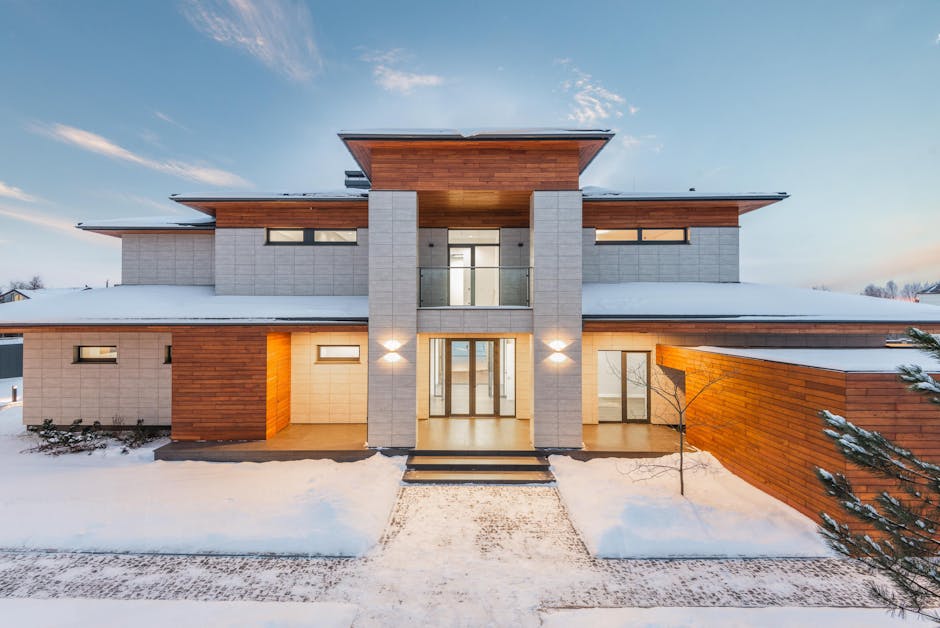
Big Easy Siding explains the key benefits of fiber cement siding for homeowners in New Orleans, LA, including resistance to hurricane-force winds, year-round humidity, and Formosan subterranean termites, along with design flexibility, low maintenance requirements, and long-term value for Southeast Louisiana properties.
Hurricane and High-Wind Performance in New Orleans
New Orleans homeowners know that hurricane season brings real risks to every part of a home’s exterior. Choosing a siding material that can handle sustained high winds and wind-driven rain is not optional here. At Big Easy Siding, we install fiber cement siding throughout the Greater New Orleans area because it consistently outperforms other cladding options when severe weather arrives.
How Does Fiber Cement Siding Hold Up During Hurricanes?
Fiber cement siding is engineered from a blend of Portland cement, silica sand, and cellulose fibers, creating a rigid composite that resists impact and flexing under extreme wind loads. Most fiber cement products carry wind resistance ratings that meet or exceed the requirements of Louisiana’s coastal building codes, which demand performance at sustained winds of 130 mph or higher in Orleans Parish. Unlike vinyl panels that can crack, warp, or peel away from fasteners during a storm, fiber cement stays locked in place when properly installed with corrosion-resistant nails at code-specified spacing.
After hurricanes Katrina, Isaac, and Ida, contractors across Southeast Louisiana observed that homes clad in fiber cement sustained significantly less exterior damage compared to homes with vinyl or wood siding. The material does not become airborne debris the way lightweight panels can, which also reduces the risk of damage to neighboring properties during high-wind events.
Does Fiber Cement Resist Wind-Driven Rain Better Than Other Siding?
Yes. Fiber cement’s density and non-porous surface prevent wind-driven rain from penetrating the cladding layer. When paired with a properly installed weather-resistant barrier and flashing system, fiber cement creates a tight building envelope that keeps water out even during prolonged tropical downpours. This matters in New Orleans, where a single storm can deliver six or more inches of rain in a few hours while sustained winds push water horizontally against walls.
Humidity and Moisture Protection for Louisiana Homes
Why Is Fiber Cement a Strong Choice for High-Humidity Climates?
New Orleans averages relative humidity above 75 percent for much of the year, with summer months regularly exceeding 85 percent. This constant moisture exposure breaks down many siding materials over time, but fiber cement’s cement-based composition does not absorb water the way wood does and does not trap condensation behind panels the way improperly installed vinyl can. Fiber cement is dimensionally stable, meaning it does not swell, warp, or buckle in response to humidity fluctuations that are a daily reality in Southeast Louisiana.
Wood siding in this climate requires frequent repainting, sealing, and inspections to prevent moisture intrusion and rot. Fiber cement eliminates most of that cycle. While it does accept paint well and can be refinished when you want a color change, the material itself does not deteriorate from moisture contact the way organic siding materials do. For a closer look at how fiber cement handles water exposure, see our guide on fiber cement fire and water resistance.
Can Fiber Cement Prevent Mold and Mildew Growth?
Fiber cement siding resists mold and mildew growth because its composition does not provide a food source for fungi. In a city like New Orleans, where warm temperatures and high moisture levels create ideal conditions for mold on exterior surfaces, this is a major practical advantage. Wood siding and even some composite materials can develop visible mold colonies within months of installation if they are not properly treated and maintained, while fiber cement surfaces can be cleaned with a simple wash and do not support biological growth in the same way.
Termite and Pest Immunity
Is Fiber Cement Siding Termite-Proof?
Fiber cement siding is completely immune to termite damage. The material contains no organic wood components that termites can feed on, making it inedible to both native subterranean termites and the Formosan subterranean termite, which causes an estimated $300 million or more in property damage across Louisiana each year. For New Orleans homeowners, where Formosan colonies are particularly dense and aggressive, switching from wood siding to fiber cement removes one of the most vulnerable entry points on a home’s exterior.
The Formosan subterranean termite is considered the most destructive termite species in the United States, and New Orleans sits at the center of its highest-density population zone. These colonies can contain millions of individuals and consume wood at a rate several times faster than native species. While whole-home termite protection still requires a comprehensive pest management plan, eliminating wood siding removes a major attraction and access pathway. Learn more about why fiber cement stands out by visiting our page on reasons to choose fiber cement siding.
Does Fiber Cement Attract Other Pests?
No. Unlike wood siding, which can attract carpenter ants, woodpeckers, and boring beetles in addition to termites, fiber cement does not draw any wood-destroying organisms. The material’s hardness and inorganic composition make it inhospitable to nesting and feeding activity. This means fewer pest-related repair costs over the life of the siding and less need for chemical treatments around your home’s exterior walls.
Design Versatility and Curb Appeal
What Style Options Does Fiber Cement Offer New Orleans Homeowners?
Fiber cement siding is manufactured in a wide range of profiles, textures, and pre-finished colors that suit everything from Uptown shotgun doubles to Lakeview ranch homes. Lap siding, vertical board-and-batten, shingle panels, and smooth or wood-grain textures are all available. Many manufacturers offer profiles that closely replicate the look of traditional wood clapboard, which is important for homeowners in or near historic neighborhoods who want modern performance without sacrificing the architectural character their neighborhood is known for.
Factory-applied color finishes are baked on during manufacturing, providing a more uniform and longer-lasting finish than field-applied paint. These finishes typically carry warranties of 15 years or more against fading, chipping, and peeling. For homeowners who want to explore style possibilities, our page on fiber cement design and style options covers what is available and how different profiles look on actual homes.
Can Fiber Cement Match the Look of Historic Wood Siding?
Yes. Modern fiber cement products can be manufactured with grain patterns, shadow lines, and exposure widths that closely match historic wood clapboard profiles found throughout New Orleans neighborhoods like the Garden District, Marigny, and Treme. While properties within locally designated historic districts may still require real wood under preservation commission rules, homes outside those boundaries can achieve a nearly identical look with fiber cement while gaining significant durability and maintenance advantages.
Long-Term Value and Low Maintenance
How Long Does Fiber Cement Siding Last in the New Orleans Climate?
Fiber cement siding carries manufacturer warranties of 30 to 50 years, and many installations last well beyond that with basic upkeep. In practical terms, a fiber cement installation on a New Orleans home will outlast multiple cycles of vinyl or wood siding replacement. The material does not rot, crack from UV exposure, or degrade from insect activity, which are the three primary failure modes for other siding types in this region. Over a 30-year ownership period, the total cost of fiber cement, including installation and minimal maintenance, is often lower than the combined cost of installing and repeatedly repairing or replacing less durable alternatives.
For more on how fiber cement compares to other materials over time, read our analysis of what siding lasts the longest.
What Maintenance Does Fiber Cement Require?
Fiber cement siding needs very little ongoing maintenance compared to wood or even vinyl. An annual visual inspection and a low-pressure wash to remove dirt, pollen, and mildew staining are typically all that is required. Repainting is generally needed every 15 to 20 years depending on sun exposure and color choice, compared to every 5 to 7 years for painted wood siding in this climate. Caulk joints at trim intersections should be inspected periodically and refreshed as needed to maintain the weather barrier.
Not every siding material works equally well in every situation, and choosing the right option depends on your home’s location, architectural style, and budget. Fiber cement delivers the strongest combination of hurricane resistance, moisture performance, termite immunity, and design flexibility available in a single material. For most New Orleans homeowners, especially those outside historic district boundaries, it represents the best long-term investment for protecting and improving a home’s exterior.
If you are weighing fiber cement against other options, our fiber cement siding services page provides a full overview of what the material offers and how we handle installations across the Greater New Orleans area.
Is fiber cement siding worth the higher upfront cost compared to vinyl?
Fiber cement costs more to purchase and install than vinyl, but its lifespan of 30 to 50 years and minimal maintenance needs make it less expensive over the long run. Vinyl siding in the New Orleans climate typically needs replacement sooner and is more vulnerable to storm damage.
Can fiber cement siding be installed on older New Orleans homes?
Yes. Fiber cement can be installed on most existing wall structures with proper preparation. Older homes may need sheathing upgrades or moisture barrier installation before the new siding goes on, which a licensed contractor can evaluate during an on-site assessment.
Does fiber cement siding help with home insurance costs in Louisiana?
Some Louisiana insurers offer premium discounts or credits for homes with fiber cement siding because of its fire resistance, wind resistance, and overall durability. Check with your insurance provider to see if upgrading from wood or vinyl qualifies your home for reduced rates.
How does fiber cement handle the salt air exposure in areas near Lake Pontchartrain?
Fiber cement resists salt air corrosion better than metal siding options and does not degrade from salt exposure the way wood can. Homes near Lake Pontchartrain or along the Gulf Coast benefit from fiber cement’s non-corrosive composition, though using stainless steel or hot-dipped galvanized fasteners is recommended in these areas.
What colors and finishes are most popular for fiber cement siding in New Orleans?
Warm neutrals, soft grays, and muted blues are among the most popular fiber cement colors in New Orleans neighborhoods. Factory-applied finishes are preferred because they resist the fading and peeling that field-applied paints experience under intense Louisiana sun and humidity.


 By Admin
  Aug 28, 2023