

Summary
Big Easy Siding helps Slidell, LA homeowners recognize the warning signs that their siding needs replacement. From wind-driven rain damage and humidity-related buckling to salt air deterioration on waterfront properties, this guide covers the indicators specific to Gulf Coast homes and the best timing for a full siding replacement.
Why Siding Fails Faster in Slidell, LA
Slidell sits along the north shore of Lake Pontchartrain, where Gulf Coast weather conditions put constant pressure on every exterior surface of your home. Between hurricane-force winds, persistent humidity that hovers above 80 percent for months at a time, and salt-laden air that drifts in from the lake and nearby Gulf waters, siding in this part of St. Tammany Parish takes a beating that homeowners in drier climates never experience. At Big Easy Siding, we work with homeowners throughout Slidell who are dealing with siding that has deteriorated well before its expected lifespan because of these local conditions.
Understanding the specific threats your siding faces is the first step toward knowing when a full replacement is necessary rather than a simple repair. The difference between patching a few boards and replacing the entire exterior often comes down to how far the damage has spread beneath the surface.
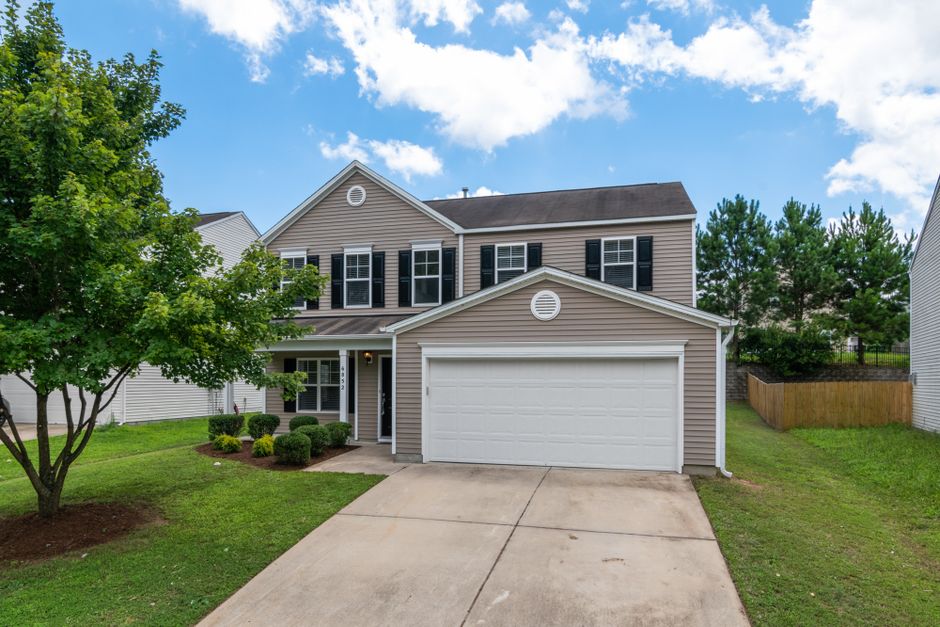
How Does Salt Air Affect Siding on Slidell Waterfront Properties?
Salt air from Lake Pontchartrain and the Gulf of Mexico accelerates corrosion on metal components and breaks down protective coatings on wood, vinyl, and fiber cement siding. Homes along the Slidell waterfront and in neighborhoods close to the lake experience faster fading, chalking, and surface degradation because salt particles settle on siding surfaces and draw moisture, creating a cycle of chemical deterioration that shortens the material’s functional life by several years.
Why Does High Humidity Cause Siding Problems in Southeast Louisiana?
Persistent humidity in Slidell causes wood-based siding to absorb moisture and expand, then contract as conditions shift, leading to warping, buckling, and cracked paint over repeated cycles. Even vinyl siding can buckle when installed without adequate expansion gaps, because the combination of heat and moisture causes panels to push against each other. This constant expansion and contraction weakens fastener points and creates gaps where water can penetrate behind the siding.
Visible Signs Your Siding Needs Replacement
What Does Cracking and Warping Tell You About Your Siding’s Condition?
Cracks in siding panels indicate that the material has lost its flexibility and structural integrity, often from prolonged UV exposure and moisture cycling. Warped or buckled boards suggest that moisture has gotten behind the siding and is affecting the substrate underneath. If you notice multiple panels cracking or warping across a wall section rather than isolated spots, the damage has likely progressed beyond what a targeted siding repair can address.
Walk around your home and look at the siding from different angles during various times of day. Direct sunlight can reveal warping and waviness that is not visible in flat light. Pay particular attention to south-facing and west-facing walls, which take the most sun and heat exposure in Slidell’s subtropical climate.
Is Peeling Paint or Fading Color a Sign of Siding Failure?
Paint that peels from the inside out, rather than flaking on the surface, often signals moisture trapped behind the siding that is pushing outward through the panels. Significant fading across large areas can indicate that the siding’s protective coating has broken down, leaving the base material vulnerable to UV damage, moisture absorption, and accelerated deterioration from Slidell’s intense summer sun.
Should You Worry About Loose or Missing Panels?
Loose panels are a serious concern in Slidell because they create entry points for wind-driven rain, which is one of the most common causes of water damage in Gulf Coast homes. A single loose panel during a tropical storm or strong thunderstorm can allow gallons of water behind the siding in a matter of hours. If panels are pulling away from the wall or if you find pieces in your yard after storms, it is time to evaluate the full exterior for replacement.
Hidden Damage You Should Not Ignore
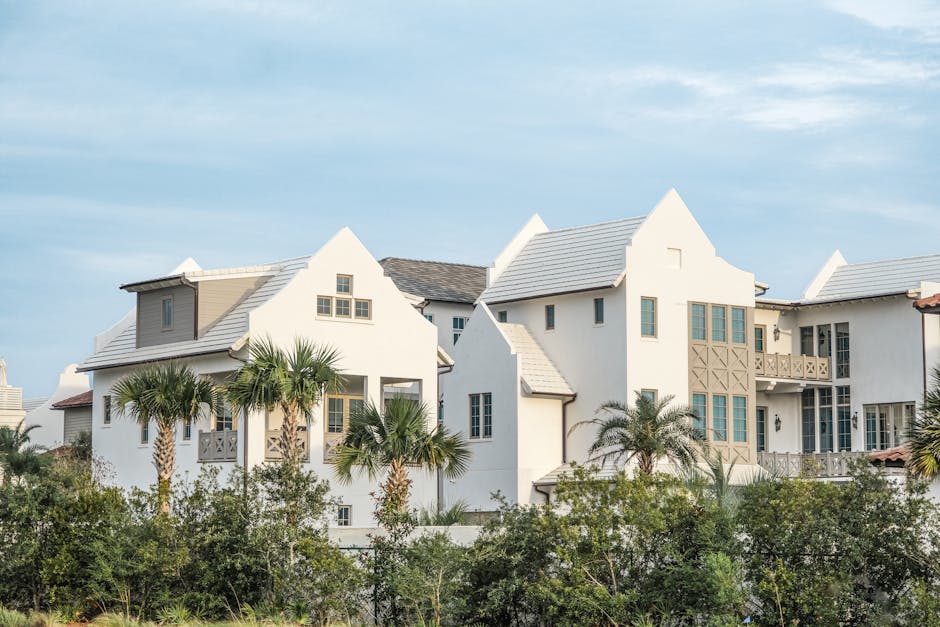
How Can You Detect Water Intrusion Behind Your Siding?
Water intrusion behind siding often shows up as staining, bubbling, or soft spots on interior walls before any exterior damage becomes visible. In Slidell, where wind-driven rain during storms pushes water sideways and upward under lap joints, the damage can spread extensively behind seemingly intact siding. If you notice a musty smell near exterior walls, rising energy bills from compromised insulation, or damp drywall after rainstorms, moisture is likely trapped behind your siding and causing ongoing structural damage.
Probing suspect areas with a screwdriver can reveal soft, deteriorated sheathing beneath the siding. If the tip sinks easily into the material behind the panels, rot has already set in and a full replacement of the siding and potentially the underlying sheathing is necessary. You can learn more about what materials hold up best in these conditions from our guide on durable siding for coastal homes.
What Role Does Mold and Mildew Play in Siding Deterioration?
Mold and mildew growth on or behind siding indicates persistent moisture problems that surface cleaning alone will not solve. In Slidell’s humid climate, mold can develop behind siding within 48 hours of water intrusion and spread through wall cavities, affecting both the siding material and the structural framing. When mold is visible on the exterior surface in large patches or keeps returning after cleaning, the siding is no longer providing adequate moisture protection for your home.
Can Rising Energy Bills Signal Siding Problems?
Yes. When siding deteriorates or separates from the wall, it compromises the thermal envelope of your home. Damaged siding allows outside air to infiltrate through gaps and cracks, forcing your HVAC system to work harder to maintain comfortable temperatures. If your energy bills have increased noticeably without a change in usage habits, failing siding could be a contributing factor, especially in older Slidell homes where the original siding has been exposed to decades of Gulf Coast weather.
Storm and Hurricane Damage Assessment
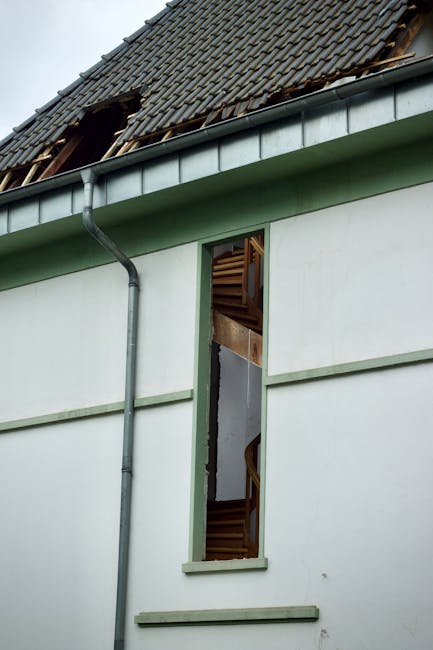
What Storm Damage Should Slidell Homeowners Look For After Hurricane Season?
After any significant storm, inspect your siding for impact damage from flying debris, panels that have been lifted or torn away by high winds, and cracks caused by pressure changes during the storm. Slidell’s location along Lake Pontchartrain means homes face storm surge risks in addition to wind damage, and siding that has been submerged or exposed to flood water often suffers hidden damage that compromises the material from the inside out even if the